
LTL combines smaller shipments from different shippers, while FTL reserves a truck for your load. Choose between them by reviewing the packaged freight, handling needs, delivery window and complete quote—not pallet count alone.
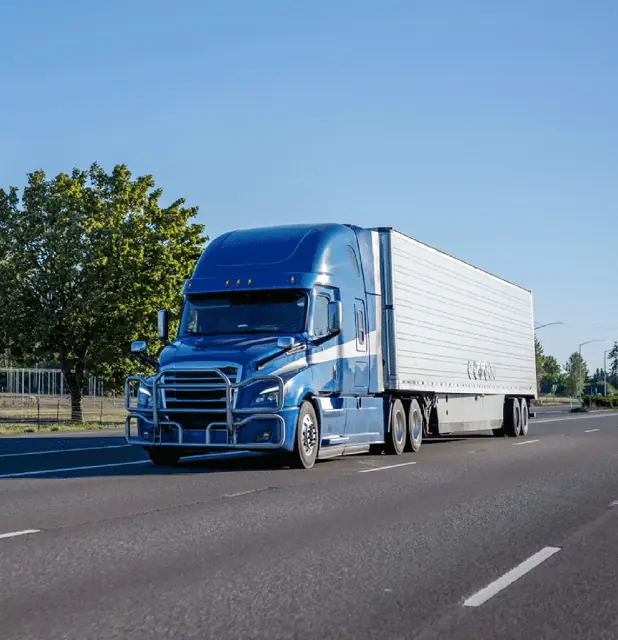
What changes between FTL and LTL?
With less-than-truckload shipping, your freight shares trailer space with other shipments and may move through terminals. Full truckload generally involves fewer transfers and can move directly between the shipper and receiver. The actual routing and service commitment still need to be confirmed for each booking.
Neither option is automatically the best choice. A small shipment may justify dedicated equipment when handling restrictions or timing matter. A well-packed shipment with a flexible delivery window may be a good candidate for shared capacity.
Start with the freight you will actually hand over
Write down the final packaged dimensions, weight, pallet count and whether anything can safely be stacked. Include packaging and any protrusions. Ask your freight specialist to compare both services using that same shipment description.
Do not use a previous shipment as a shortcut if the packaging has changed. A taller crate or a non-stackable unit can change the space required even when the product quantity is identical.
Compare the full delivery plan
- Handling: How many transfers are expected, and is the packaging suitable?
- Timing: Is the delivery date an estimate or a confirmed service commitment?
- Facilities: Can both sites load and unload the proposed equipment?
- Cost: Does each quote include the same appointments and additional services?
- Changes: What happens if the freight is not ready or the receiver moves the appointment?
A planning example
Imagine two shipments with four pallets each. One contains regularly stocked cartons going to a staffed warehouse. The other contains a custom-built display needed for an installation at a specific hour. They have the same pallet count, but different consequences if handling or timing changes.
For the first, request an LTL option and check its delivery terms. For the second, ask whether a dedicated option better fits the receiving plan. This is a decision framework, not a claim that one service will always be cheaper or faster.
Questions to settle before you book
Ask for a written comparison that identifies the equipment, pickup window, expected delivery, included services and assumptions. Keep the quote reference with the shipment record so the warehouse and purchasing team are working from the same plan.
There is no universal pallet threshold that makes FTL mandatory. Send Ace Lane the shipment details and the business deadline, and ask the team to review the available options for that specific move.
Sources and further reading
Let's plan your next shipment.
Share your route, timing and freight details with the Ace Lane team.
Request a freight quote